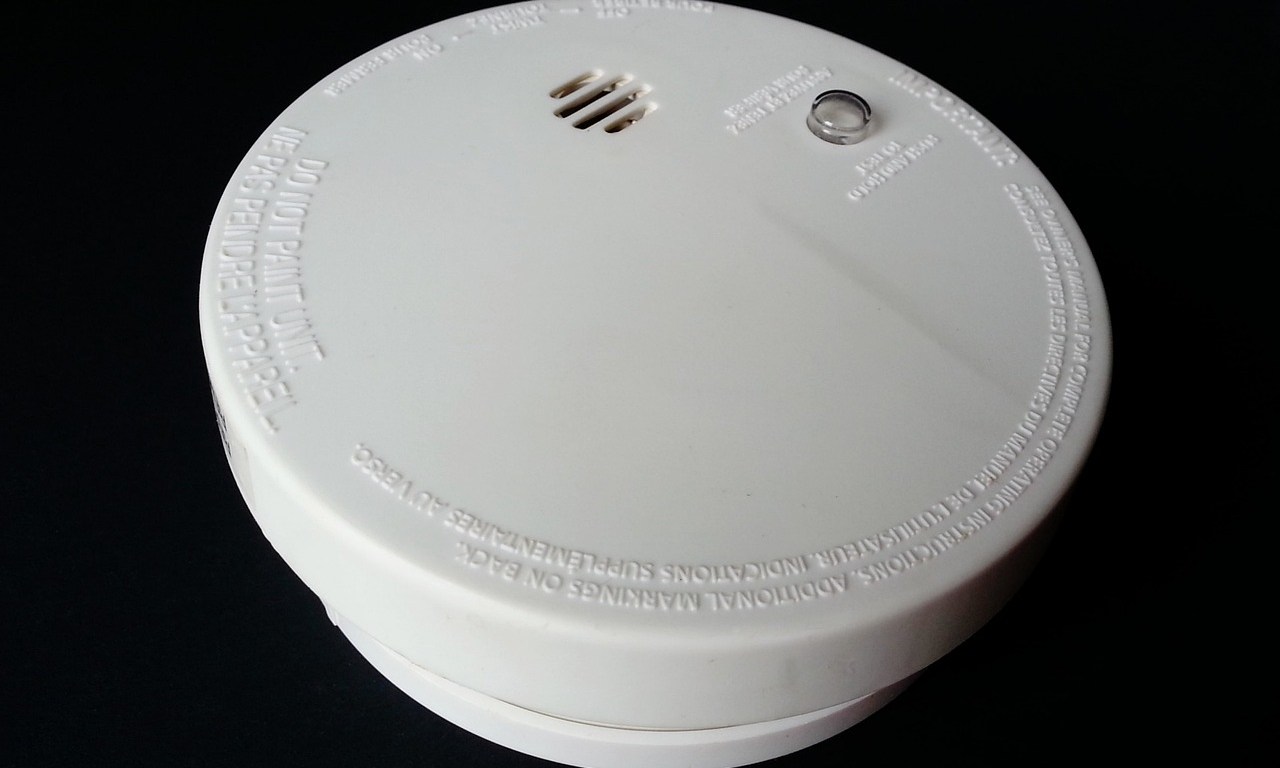
Smoke alarms are an integral component of a property’s safety system and their proper functioning is key in protecting people and property. Unfortunately, however, many are unaware of the various alarm types.
Installing appropriate smoke alarms in every room of your house, tenanted property or workplace will reduce fire risks and help keep you safer.
Sensors
Most smoke detectors utilize one of two kinds of sensors: ionization or photoelectric. Ionization alarms use small amounts of radioactive material to ionize air inside a sensor chamber, then when smoke particles disrupt these ions they trigger alarm. Photoelectric smoke alarms use light directed toward sensors; when smoke enters this chamber it scatters the light triggering alarm.
Both ionization and photoelectric smoke detectors have their own distinct set of advantages and disadvantages. Ionization detectors tend to respond more quickly to fast-flaming fires like kitchen fires; they’re less effective at detecting slow smoldering fires such as those found in mattresses; additionally they’re susceptible to false alarms caused by dust or condensation accumulation.
Due to this trend, some manufacturers provide ionization detectors with lower sensitivity settings in order to minimize false alarms and photoelectric detectors with higher settings that increase their effectiveness at detecting smoldering fires.
Remember, the purpose of a smoke alarm is to alert you so you can escape a fire quickly and safely. Therefore, it’s crucial that your family practices their escape plan at least twice each year and to test and replace battery in alarms regularly. Furthermore, smoke alarms should be located 20 ft from appliances producing combustion particles like furnaces and ovens for maximum effectiveness.
Batteries
Smoke detectors are an essential part of every home. Every year they save lives by alerting residents to early fires so they can escape or evacuate quickly before it’s too late. But smoke alarms require regular maintenance in order to stay functioning correctly; this involves testing them every six months and changing batteries when necessary. Furthermore, choosing the appropriate battery type for your smoke alarm system will cut down on false alarms while making sure its full functionality.
Many smoke detectors use either one 9-volt battery (if they also power a light) or three AA batteries; it is best to replace these annually or when their low battery signal chirps, and for optimal longevity use one of GP lithium or alkaline battery type for maximum life span of your smoke detector.
Though changing your smoke detector batteries may seem like an insignificant task, it can easily slip your mind. A great way to ensure this task gets completed each year is changing them when changing clocks each fall – this way it becomes part of your routine and you don’t forget!
Testing smoke alarms regularly is also highly recommended, particularly after any major changes occur in your home such as moving furniture or painting a room, to make sure they’re still functioning effectively and to protect you and your family from potential danger.
Interconnections
Interconnected smoke alarms connect all the detectors in a house so that when one smoke alarm activates, all others activate and alert you of potential danger – providing full coverage across your house and making installation much simpler than with individual alarms. It is also easier to install them compared with individual units; just ensure power off before starting installation process as most alarm devices contain their battery at the back side.
Interconnected smoke detectors can be connected using one orange wire that runs to a junction box and connects with all the others using wire nuts – these wires should have the same color and be labeled to indicate they are compatible with each other; to ensure smooth wiring and installation process it is recommended that an electrician handle this task.
Interconnecting smoke detectors with carbon monoxide detectors should only be done if both brands share an intelligent interconnection function, otherwise their simultaneous activation could confuse homeowners into fleeing without opening windows, leading to carbon monoxide poisoning that can prove deadly.
Installation
Installation can be complex if your smoke detectors require hardwiring and electrical connections; for optimal results it may be wise to hire an electrician for this service.
If you are performing the installation yourself, be sure to follow all product instructions closely. Before beginning, mark drill points on the ceiling using pencil and stud finder; make sure not to drill into ducts or utilities! Next, use a drill to create holes for mounting bracket. Finally, connect and secure base plate while adding batteries where applicable.
Once your alarms have been properly installed, be sure to test them periodically by pressing their test buttons. It’s essential that all fire safety equipment works efficiently for optimal fire safety measures.
Maintain your sensors with regular cleanings by using either a vacuum attachment or dry cloth to clear away dust accumulations. Be sure to change out batteries every year for your smoke detectors – consider setting an annual reminder such as Memorial Day or first day of summer so as to stay on track. Also, if you use ionisation smoke alarms, ensure they’re properly placed within your home so as to avoid close proximity to kitchens or garages where smouldering could trigger them.
 Automatic Tech Guides