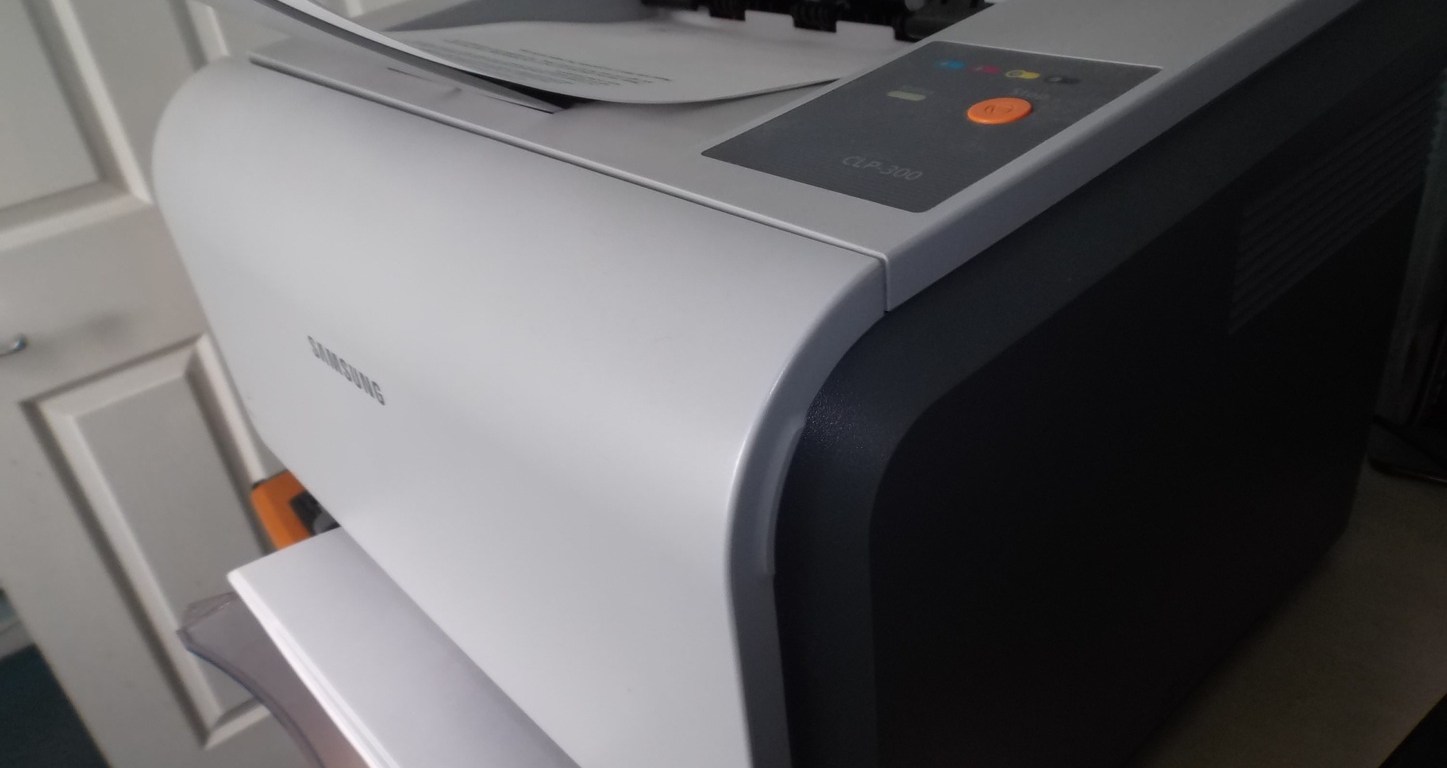
Laser printers produce high-quality text and graphics using an electrostatic digital printing process. The process involves passing a laser beam over a negatively charged cylinder known as a drum. The drum defines the differentially charged image to be printed. The laser beam then hits the drum, creating the print. It is also faster than inkjet printers and produces less ozone. Laser printers are also more expensive, though. They can print large documents and produce smaller prints.
Inkjet printers are slower
Although inkjet printers are slower than lasers, they are not inherently slow. In fact, some models can easily outpace laser printers – even when configured differently. But for those whose printing needs are low, inkjet printers are often the better choice. A typical home or small office printer will be able to print about one or two pages per minute, depending on its speed and paper and ink cartridge capacity.
Another disadvantage of inkjet printers is their limited paper capacity. Most inkjet printers can only hold 50 to 100 sheets of paper, meaning you will need to change the cartridge frequently. Consequently, inkjets can be slow, and the monthly duty cycle can be low. In some cases, inkjet printers even print gray fuzzy text on plain office paper. So, which printer is better?
Inkjet printers are faster than laser printers if you’re printing fewer pages or a single color image. But if you’re printing high-volume black and white documents, laser printers are better. Laser printers are also faster than inkjets, and they use black toner efficiently. You’ll save money on paper and ink if you choose inkjet over laser.
They print with ink
The most common difference between laser printers and inkjet printers is how they print. Laser printers use toner instead of ink, which is a fine powder that gets fused onto the paper. While inkjet printers are capable of producing color images, they don’t have the same quality as laser printers. Inkjet printers use a lot of ink, and the ink runs and clogs the nozzles, making it difficult to maintain a high-quality print. In contrast, laser printers are much better at producing crisp black and white text and images.
A laser printer is less expensive to buy, but more maintenance is needed to keep it functioning well. Many laser printers are leased, making them a more costly option for a small business. Fortunately, some companies like Doceo offer a program that bundles machine leases with toner, parts, and service so you don’t have to worry about paying extra. One downside to laser printers is that they’re less durable and take longer to warm up. In addition, they require a larger footprint than their inkjet counterparts.
If you’re printing letters, you’ll likely need a laser printer. It offers the highest quality print possible, and is typically the standard for professional-looking letters. In addition, a laser printer can print thousands of pages with one toner cartridge. Larger models offer higher page yields and cost less than 3 cents per page. With the higher print quality, they’re the better choice for low-volume printing.
They produce ozone
Ozone generated by laser printers is extremely harmful to health. Ozone has a short half-life, decomposing back into oxygen in just a few hours. HP characterizes ozone emissions from all printer platforms. The ozone from a laser printer is formed when oxygen reacts with high-voltage electricity. It is a known cause of respiratory problems and is irritating to the eyes, nose, throat, and other mucous membranes.
Although the concentration of indoor ozone varies from day to day and room to room, laser printers still produce significant amounts of ozone. In one study, laser printer emissions were measured in a room filled with office equipment using a blowdown system. This showed that laser printers emit a significant amount of ozone, although this was reduced with a blowdown system. This study is not exhaustive, but the results indicate that laser printer emissions are a significant contributor to indoor air pollution.
Ozone is an odourless, colourless gas. It is formed naturally in the stratosphere but can cause harm at ground level. Ozone is dangerous at low concentrations and is known to cause respiratory problems, headaches, and reduced alertness and performance. Ozone levels in a room vary depending on internal surface composition and the amount of sunlight and heat that enter the room. However, most printers do not emit dangerous levels of ozone.
 Automatic Tech Guides