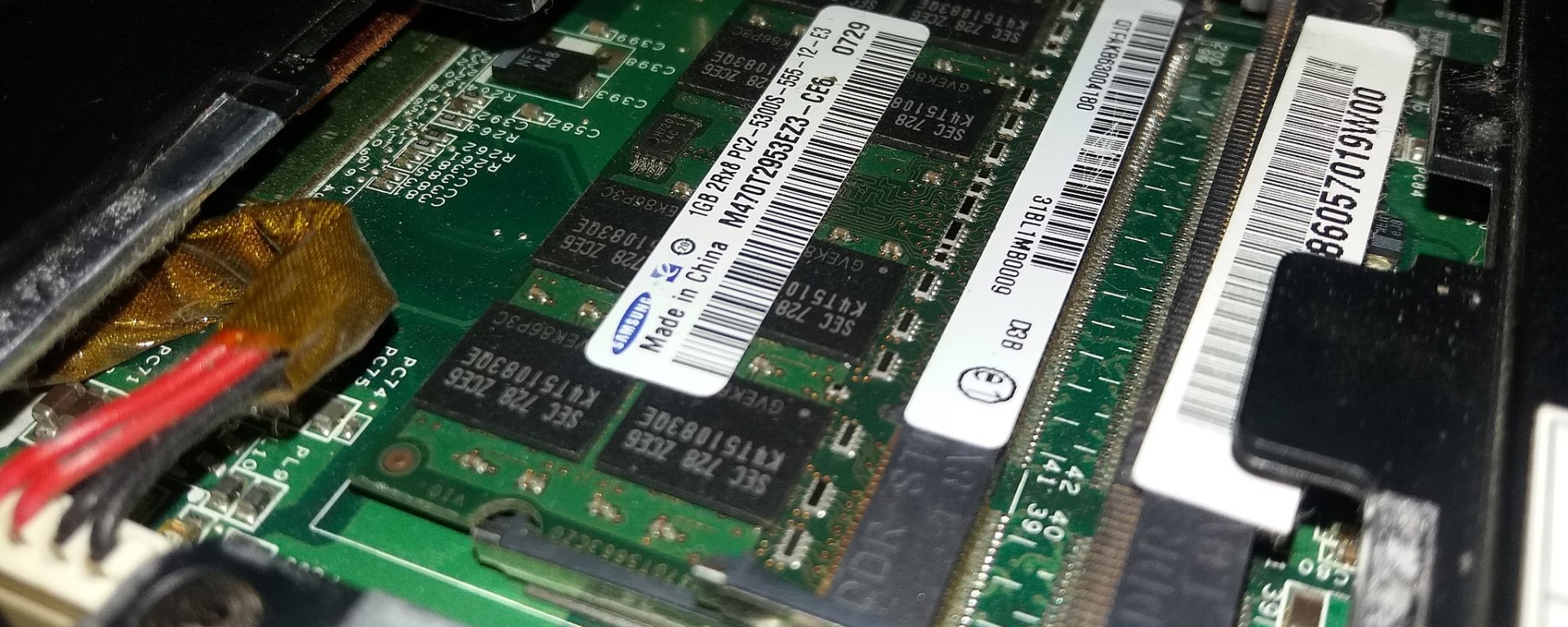
There are many questions surrounding laptop RAM memory. Should you get one from the factory, or buy it aftermarket? Will it do you any good to have aftermarket laptop memory? What are the pros and cons of having aftermarket laptop memory? In this article, we will discuss these and some possible benefits to owning an aftermarket laptop.
Let us first look at why having aftermarket laptop memory is a good idea. The main reason is that your laptop will run faster and more efficiently when you upgrade its RAM. When your laptop’s RAM is less than 2GB, it uses the majority of its available RAM for just running start-up programs. This means that as your computer gets older, you’ll see slower performance. By getting a laptop memory upgrade, you can give your laptop more memory and it will start running much faster. It will be like having an upgrade to your software that you installed on your computer!

Another advantage to buying RAM for your laptop is that the quality is often better than what the manufacturer originally put into the product. Many of the laptop manufacturers place heavy pressure on the disks to perform, so you might find yourself getting a lower quality of laptop memory than you really intended to purchase. When you buy from another source, you know exactly what you’re getting and can avoid any loss of quality.
Before you decide to go out and get your own laptop memory, check with your computer’s manufacturer to see if you can install your own memory modules. It may be required by your manufacturer that you buy their brand of memory, but it’s always worth checking to see if it’s possible to replace the RAM yourself. You can save quite a bit of money this way.
Now that we’ve discussed why you might consider purchasing your laptop memory upgrade, let’s talk about how to get one. Go to the source! Instead of buying from your laptop retailer or laptop supplier, head to the source. Who are you going to buy it from? If you’re shopping online, you may be able to get better prices and more options than you would in a store, since you have such a large customer base.
Consider the memory modules that you need. There are a variety of different types of memory modules available, including those designed for laptops alone, as well as those for desktops. RAM prices will vary accordingly. If you are just installing one memory module, you’ll find it much easier to find the right one at a good price than if you’re replacing the entire module from scratch.
Look for memory modules that are compatible with your laptop model. The most common modules, however, are compatible with all models, although it is uncommon for manufacturers to provide dual and quad core memory modules for their notebooks. Check the specifications to see what kinds of speeds and depths are offered, and make sure that your laptop has enough power to handle whatever memory upgrade you plan on doing. That said, it’s always a good idea to double-check anyway, just in case you need to replace the memory modules later.
RAM isn’t the only thing you should consider when buying a laptop. You’ll also need to consider the number of hard drives available for your laptop, as well as the number of gigabytes of memory the computer has available. The more memory that your laptop has, the harder it is to expand the available hard drive space should you ever run out of space. It’s usually a good idea to save some room for expansion, especially if you aren’t planning on buying a laptop replacement anytime soon.
Featured Image by: Donald Sepeng
 Automatic Tech Guides