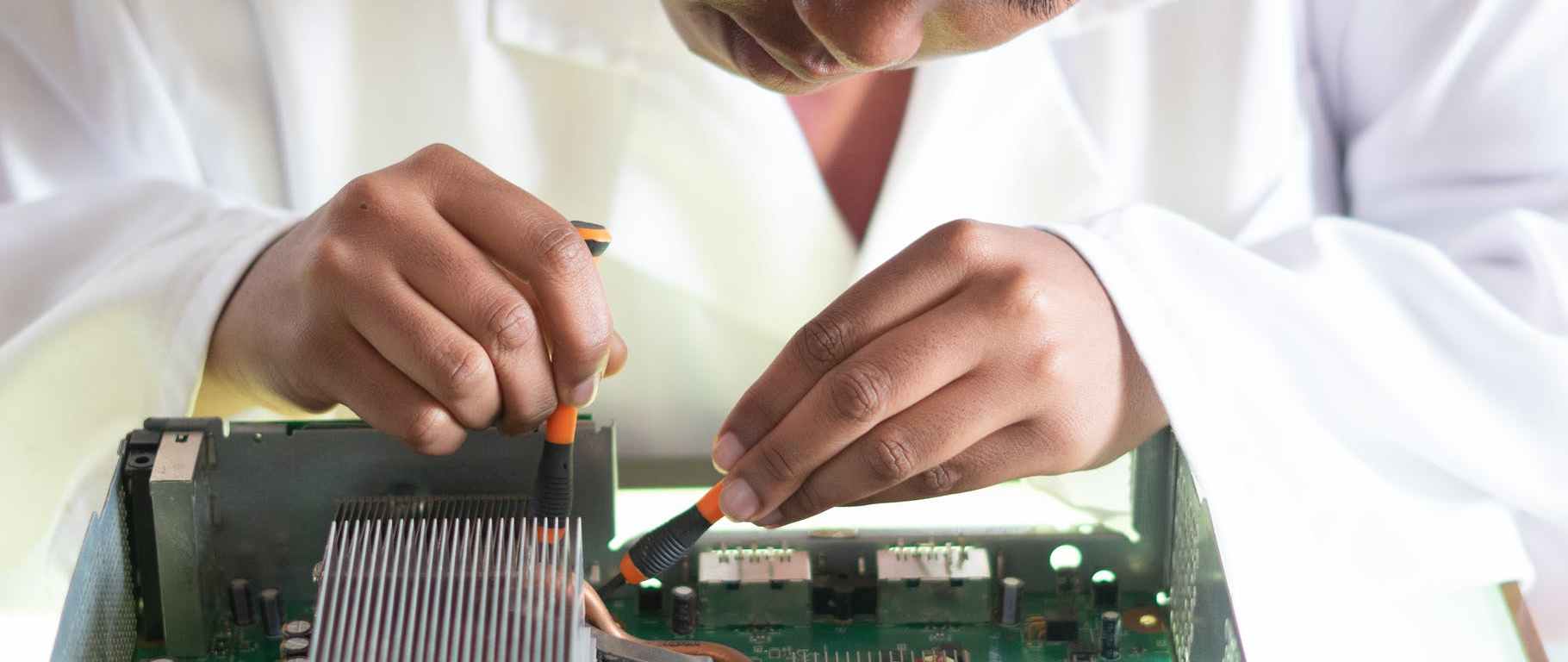
If you want to know how to choose a graphic card for your personal computer, this article can help. Graphics cards (also known as a graphics adapter, digital display adapter, video card, or an external graphics card) are a peripheral part of your personal computer that is used to draw images and information to the screen. The most common form of graphics cards today are memory cards. They come in various sizes and speeds and are capable of holding up to two gigabytes of data. They are not as powerful as the Integrated Circuits (IC), however, because they are not based on the main-board memory but instead on flash memory.
As mentioned, graphics cards vary greatly in price and capabilities. There are many factors to consider when purchasing graphics cards such as quality, price, manufacturer, and compatibility. To simplify things in your search, you should first determine what type of multimedia device you will be using with your computer. If you plan to use music and movies, you may want a high-performance card that can transfer hundreds of songs at one time. On the other hand, if you plan to play computer games, then a low-end card may do the job just fine. For instance, cards made by ATI Technologies and Dell are ideal for playing computer games.
Next, it is important to determine the role that heat sink plays in your graphics card’s search. A heat sink is a component that dissipates heat away from the graphics processing unit, which holds up the chip and all the components inside. It also takes up space on the motherboard, and depending on its design, it may have to be replaced periodically. There are heat sinks that have fans attached to them, so that any extra noise created by the fans will not affect the operation of the chip.
Power draw is yet another consideration when looking for video cards. The power draw of your graphics cards directly affects how much heat they can absorb from the computer’s power supply. It is important that rx cards can fit into a small space, and that it can operate at the same power as the mother board. In addition, a power hungry or card may put unnecessary strain on the processor that it is carrying, causing your computer to slow down.
Video memory is the final component that you need to look at. This is what will store all of the content that you want to include on your computer screen. Generally, the size of the video memory is dictated by the number of input devices that you attach to the motherboard, and the amount of memory your computer displays at any given time. However, it is important to know that even though the size of your video memory is directly related to the amount of space available on your computer display, this does not mean that it has to be the same size. For example, a video memory that is twice the size of the RAM will display twice the data during any given time.
Finally, there is the display port. You need to understand the differences between the two so that you can make an educated decision on which one to purchase. Displayport will output to your computer monitor, while the rest connectable display port connects to your display port directly. If you are using a computer monitor with a DVI port, then you should use a display port and vesa connector combo.
Once you have chosen the components that you feel will best meet your needs, then it is time to move onto the processor. A general rule of thumb is that the faster your processor is, the faster your video card and a card will be as well. The reasoning behind this is simple; the faster the processor is, the less work that is done by the central processing unit, which in turn allows the other components to operate more efficiently. As a side note, the overall performance of your computer will improve if you upgrade the graphics processing unit as well.
Now that you know the basics of video cards, you should know which one is right for your needs. Basically, all video cards except the integrated graphics processors are either completely integrated or have a semi-integrated design. Semi-integrated cards have additional advantages such as lower power consumption and better performance when compared to their integrated counterparts.
 Automatic Tech Guides